The physical environment of your practice speaks volumes before anyone says a word. When patients enter your office, every visual element should confirm what they’ll soon hear directly: there’s an exceptional new doctor who’s now part of your trusted team.
Start with your signage. Exterior signs create first impressions and build legitimacy, so update them promptly. Whether adding your associate’s name to existing monument signs or refreshing door decals, these changes signal permanence and integration. Inside, update doctor directories and treatment room nameplates to include your associate. These small details matter—they quietly reinforce that your associate is a fully endorsed member of your clinical team, not a temporary addition.
If you have the time and budget to take an extra step — create dedicated displays in your waiting area that introduce your associate in an engaging way. A professional stand featuring their photo, credentials, special interests, and perhaps a personal note creates a warm introduction before the first appointment. Consider including a brief Q&A that highlights both professional background and personal touches that make them relatable. Position these materials where patients naturally gather or pause.
Plan a professional photo session that captures both clinical and personality-focused images of your associate. These photos should match the style and quality of existing team images. Schedule this session as soon as you can so that the photos are ready for all marketing materials. Beyond standard headshots, capture your associate interacting with team members if possible to illustrate their integration into your practice culture.
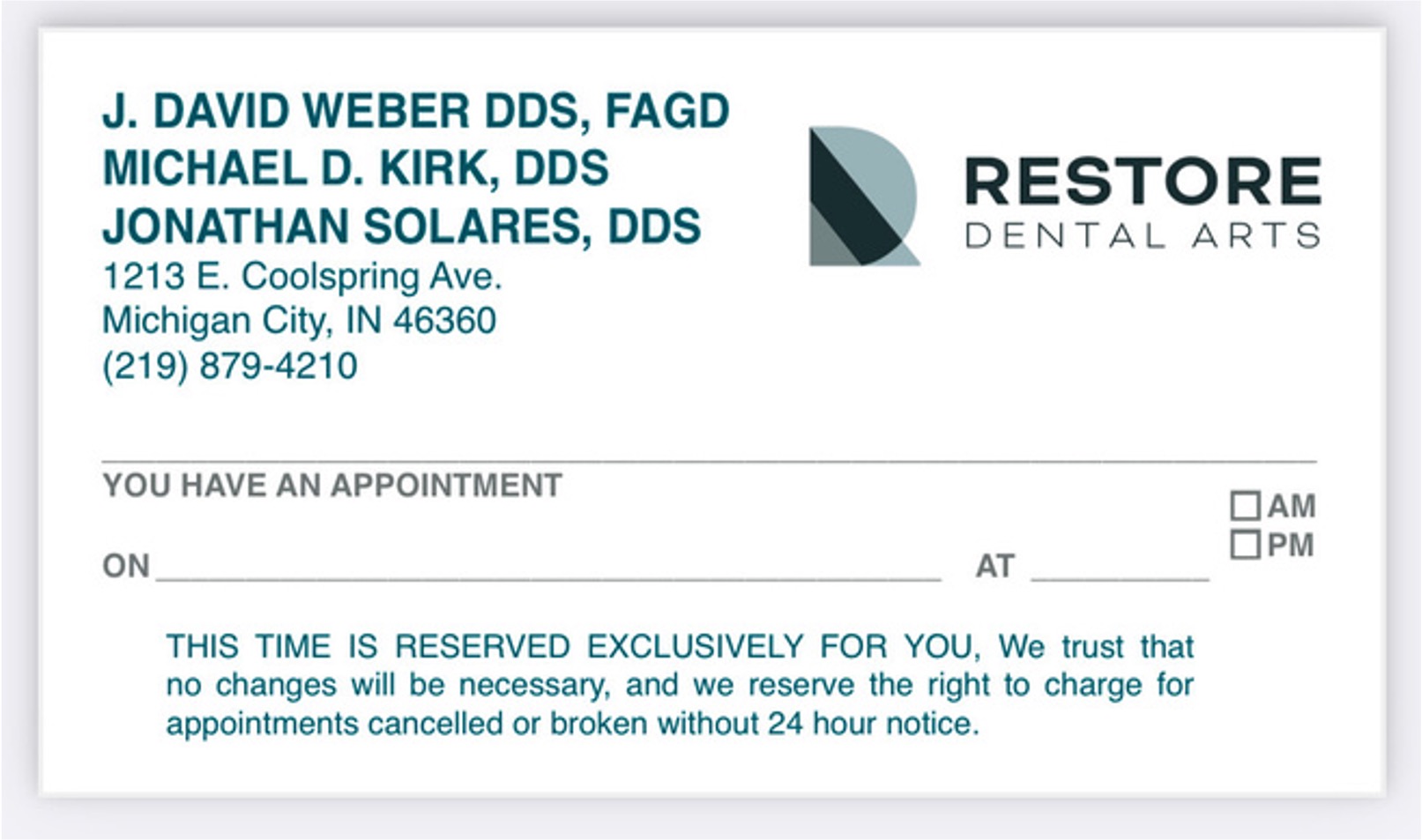
Update your printed materials to include your associate. This includes business cards for both the new doctor and any team members who reference providers in their interactions. Appointment cards, letterhead, and prescription pads might seem like minor details, but they represent daily touchpoints that reinforce your associate’s official standing in the practice.
Your practice brochures and new patient packets might require revision as well. Rather than creating separate materials for your associate, integrate them into these documents. This presentation choice subtly communicates that all providers deliver the same standard of care under your practice philosophy. Update service menus to highlight any new offerings your associate brings to the practice.
Finally, revise all financial and insurance paperwork to include your new associate. Patients should see your associate’s name on consent forms, treatment plans, and insurance documentation. These business documents must align with your marketing message that your associate is a fully integrated, permanent part of your practice.
These physical preparations create a cohesive environment where every visual element works together to build confidence in your new associate—even before their first patient interaction.